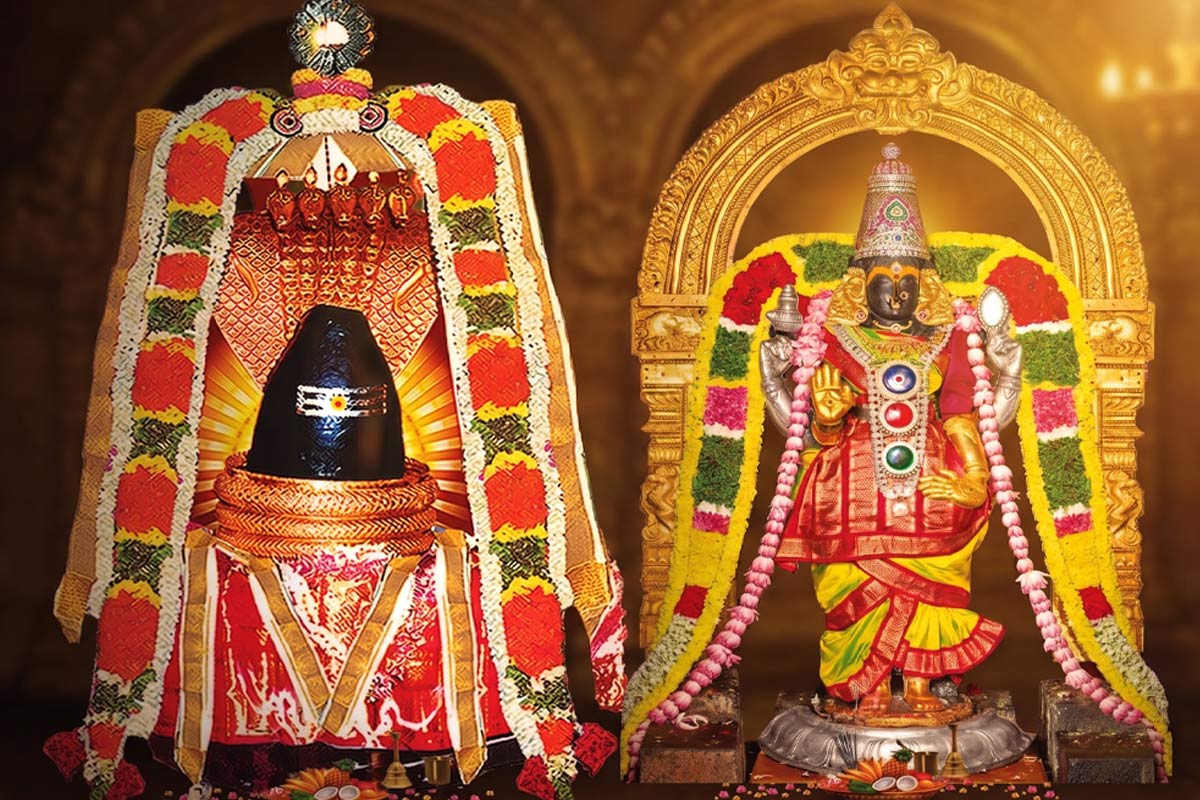
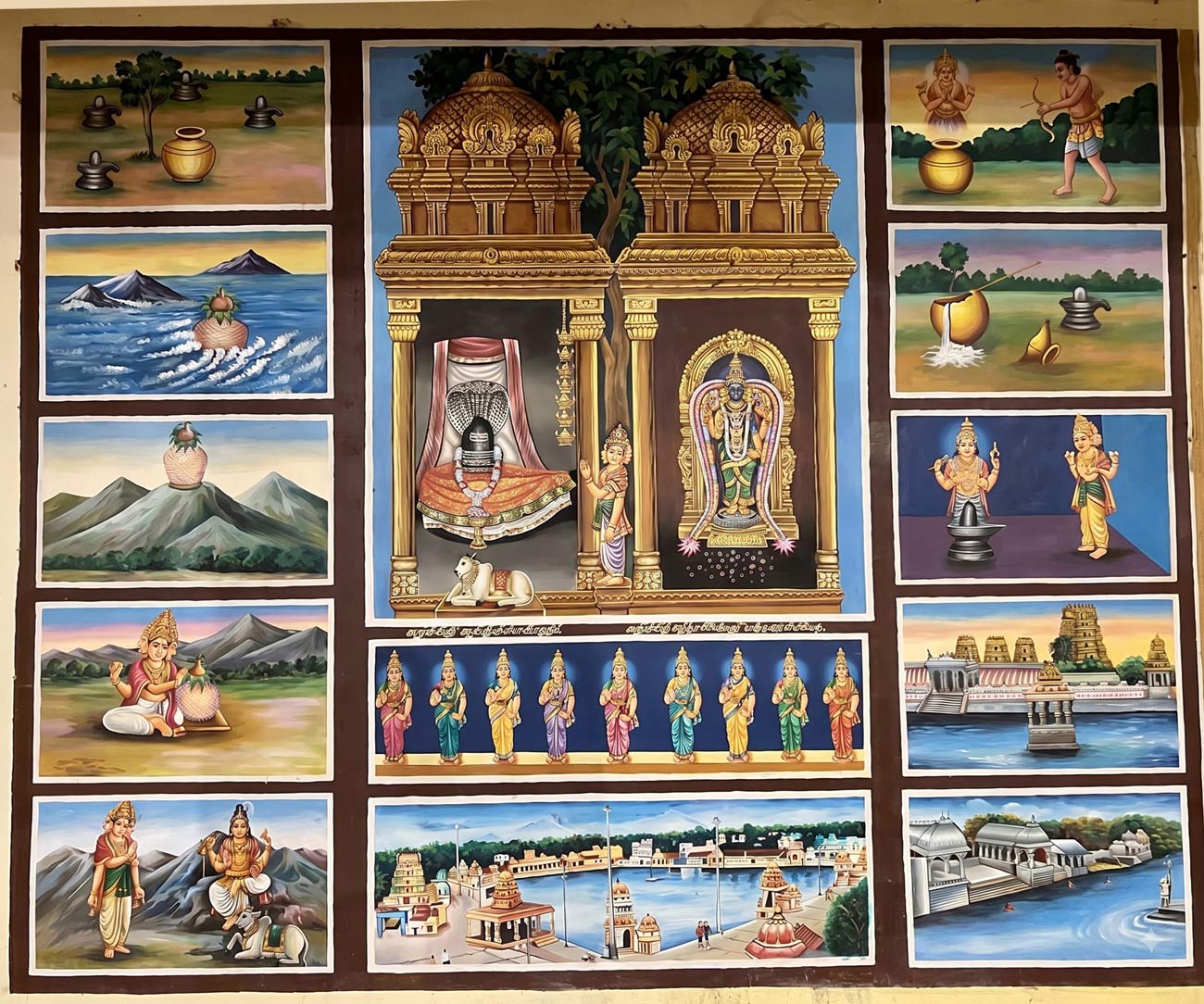
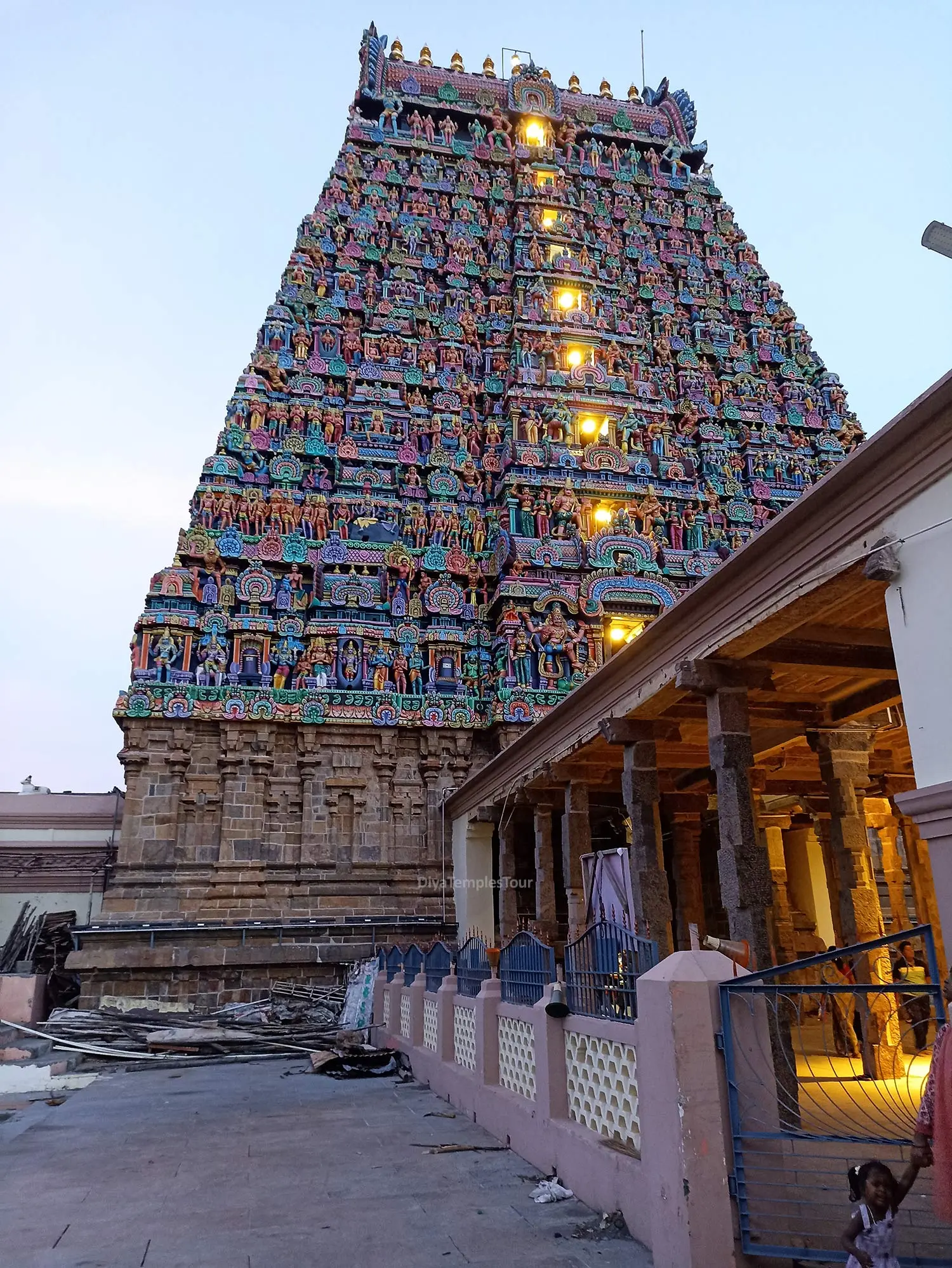
Mahamaham and Festivals at Kumbeswarar Temple
The Mahamaham water is also called Amudha Theertham, meaning ‘nectar water’. According to the tradition, it came from the nectar associated with the sacred pot.
Mahamaham is one of Kumbakonam’s most important religious festivals and is celebrated once every 12 years.
The festival is centred around the Mahamaham Tank, where large numbers of devotees gather for the sacred bathing tradition.
The Kumbha legend, Mahamaham Tank and the sacred identity of Kumbakonam are closely connected in local religious tradition.
The next Mahamaham festival is scheduled for 9 March 2028.
The annual Masi Magam which is celebrated every year is also important.
How to Reach Adi Kumbeswarar Temple
Almost every Kumbakonam temple tour package included this temple as a major temple to visit among others. So choosing a half day and one day package is the best option.
Planning to visit the Adi Kumbeswarar Temple alone, no worries hire Auto rickshaws or bike taxis. You won’t be charged more than 100 INR.
By Train
2 to 2.5 km distance from Kumbakonam Railway Station is the most convenient option for the visitors.
By Bus
Visitors arriving at Kumbakonam bus stand can continue to the temple by local transport which is not more than 1.5 to 2 km away.
Do You Need a Cab?
If Adi Kumbeswarar is the only temple you plan to visit, hiring a vehicle for the entire day isn’t necessary.
The situation changes if you want to cover several temples.
A private cab becomes much more useful when your itinerary includes Kumbakonam town temples plus places such as Swamimalai, Darasuram, Thirunageswaram or other temples outside the town centre.
The value is not simply transportation. A well-planned route helps reduce unnecessary backtracking and the risk of reaching temples during their afternoon closure.
Temples to Visit Near Adi Kumbeswarar Temple
One of the biggest advantages of visiting Adi Kumbeswarar Temple is its central location.
Several important temples can be included in the same Kumbakonam trip.
Ramaswamy Temple
Dedicated to Lord Rama, Ramaswamy Temple is known for its religious and artistic significance and is another useful stop within a Kumbakonam itinerary which is 350 meters away from Kumbeswarar temple.
Sarangapani Temple
Sarangapani Temple is one of Kumbakonam’s major Vishnu temples and an important Divya Desam. It is an obvious addition for visitors who want to experience both Shaivite and Vaishnavite temples within Kumbakonam which is 650 meters from Ramaswamy Temple.
Nageswaran Temple
Nageswaran Temple is another historically important Shiva temple in Kumbakonam. It can be combined naturally with a part of Kumbakonamtown temple tour which is 450 m from Sarangapani temple.
Small note:
In walkable distance you can find “Bathala Kali Amman Temple” which is a small and powerful temple.
Chakrapani Temple
Chakrapani Temple is an important Vishnu temple dedicated to Chakrapani, a form associated with the Sudarshana Chakra which is roughly 1.3 km from Nageswaran Temple
Mahamaham Tank
The Mahamaham Tank should not be treated as an unrelated sightseeing stop.
Understanding the Mahamaham tradition helps visitors understand why Kumbakonam itself has such strong religious importance.
If You Have More Time
A longer itinerary can include:
- Swamimalai Swaminatha Swamy Temple
- Airavatesvara Temple at Darasuram
- Thirunageswaram Rahu Temple
- Oppiliappan Temple
- Patteeswaram
- Sri Aadhi Varaha Perumal Temple
This is where the difference between a Kumbakonam town temple tour and a broader Kumbakonam-region temple tour becomes important.
How to Plan Adi Kumbeswarar Temple in a One-Day Kumbakonam Tour
Trying to cover every famous temple around Kumbakonam in one day is the best plan.
Instead, decide whether your priority is Kumbakonam town temples or temples spread across the surrounding region.
A practical town-focused day could look like this:
Early Morning
Start with Adi Kumbeswarar Temple early in the morning around 07.00 am.
Allow enough time for darshan rather than planning a five-minute stop.
Continue with other nearby Kumbakonam temples such as Nageswaran, Sarangapani, Ramaswamy, Chakrapani, Swamimalai, and Kabartheeswarar Temple depending on temple opening hours.
Afternoon
Use the common afternoon closure period for:
- Lunch
- Hotel check-in
- Rest
- Buying dress or ornaments
- Travelling toward the next temple cluster.
This is especially useful when travelling with parents or elderly family members.
Evening
Resume temple visits after reopening.
The evening can also be a good time to revisit an important temple if the morning was particularly crowded.
For Senior Citizens
Don’t measure a successful pilgrimage by the number of temples covered.
A route involving six temples with comfortable darshan, proper meal breaks and limited unnecessary driving is often much better than trying to complete twelve temples in a single day.
For elderly travellers, consider:
- fewer temples per session,
- avoiding peak afternoon heat,
- allowing additional walking time,
- keeping drinking water available,
- taking proper meal breaks,
- avoiding unnecessary backtracking.
The itinerary should fit the people travelling, not the other way around.
Why Adi Kumbeswarar Temple Should Be Part of Your Kumbakonam Visit
Adi Kumbeswarar Temple brings together several reasons people travel to Kumbakonam in the first place.
It has:
- A strong association with Lord Shiva
- Paadal Petra Sthalam and Tevaram significance,
- The traditional Kumbha pot
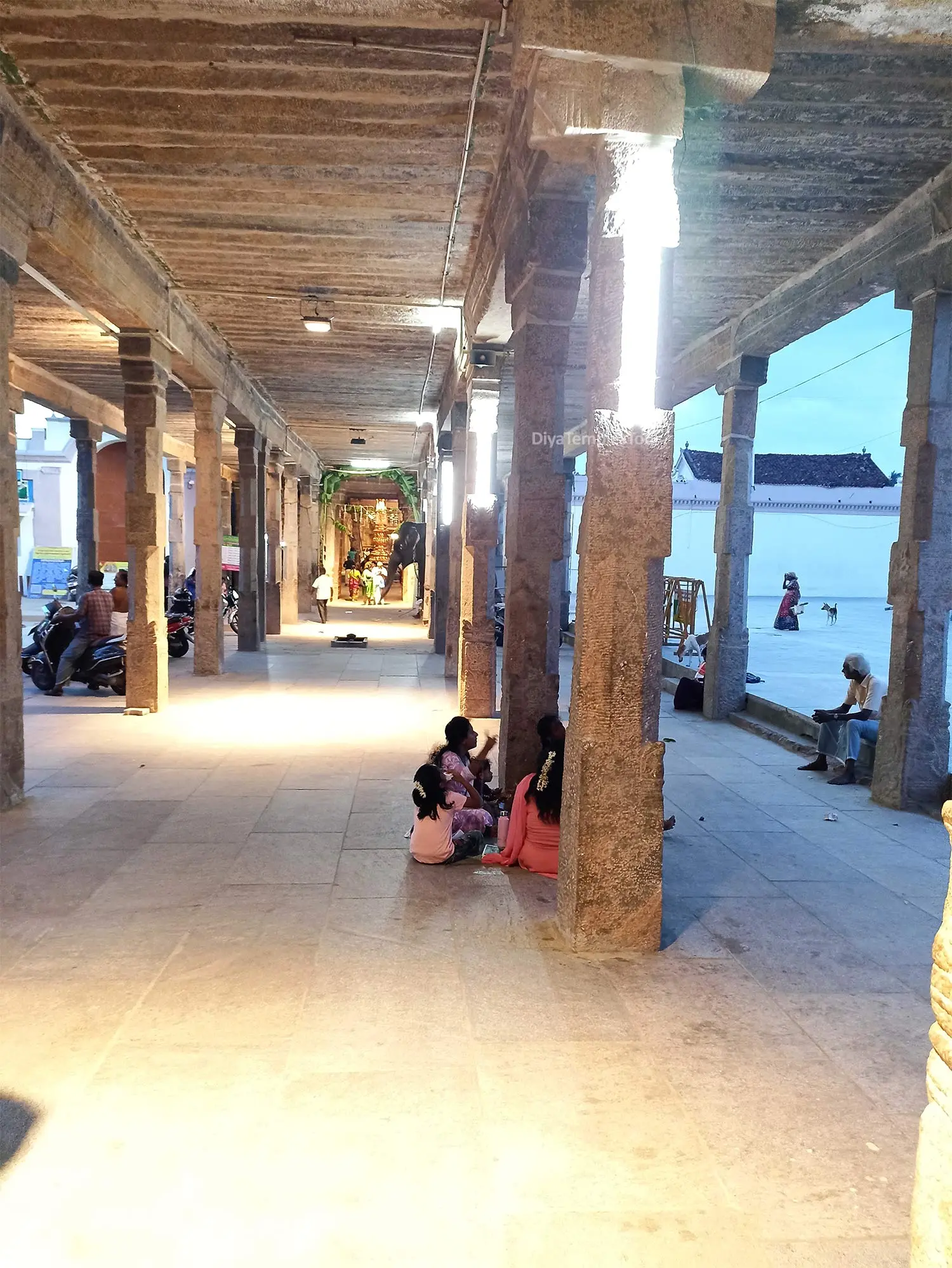
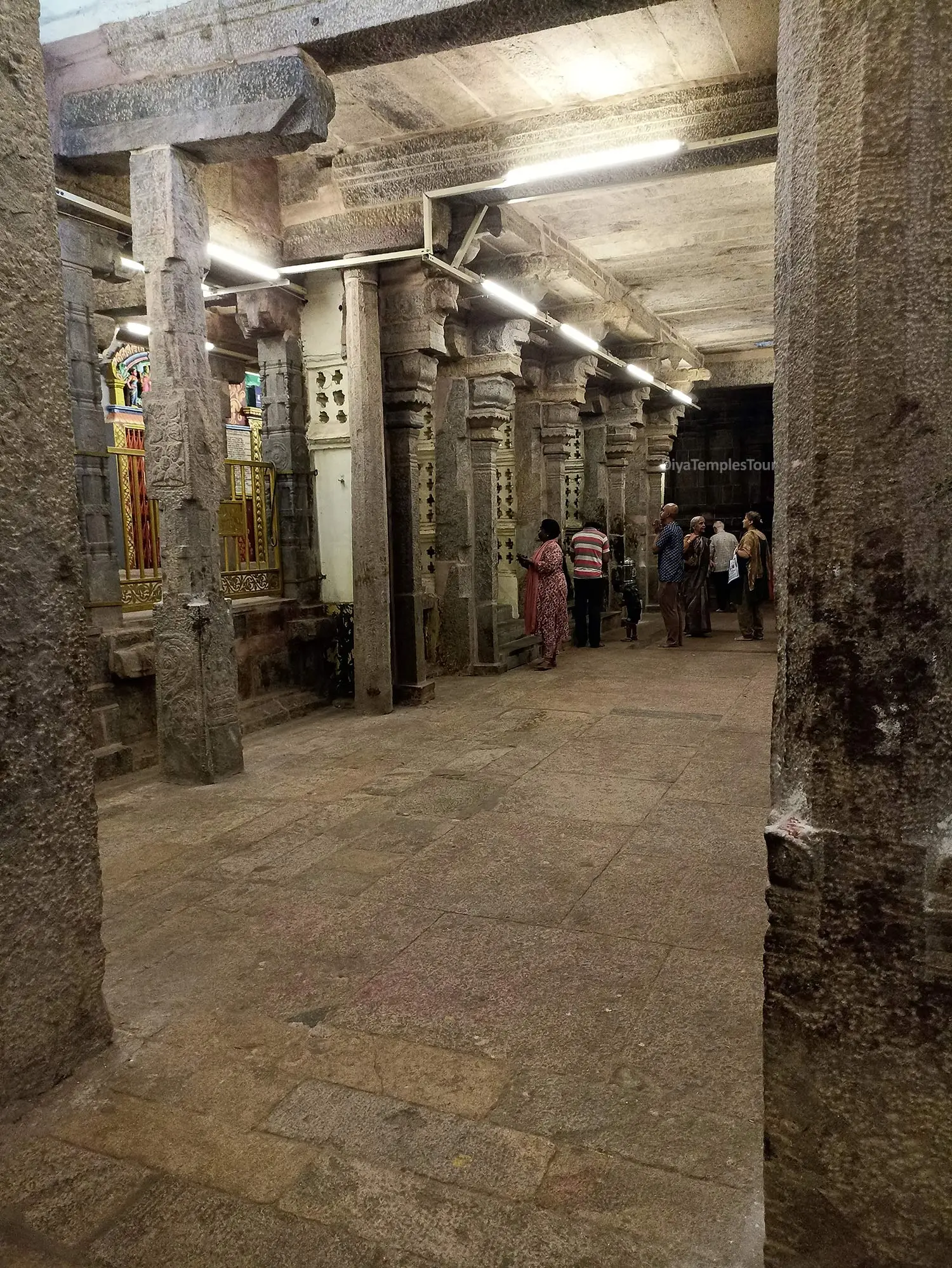
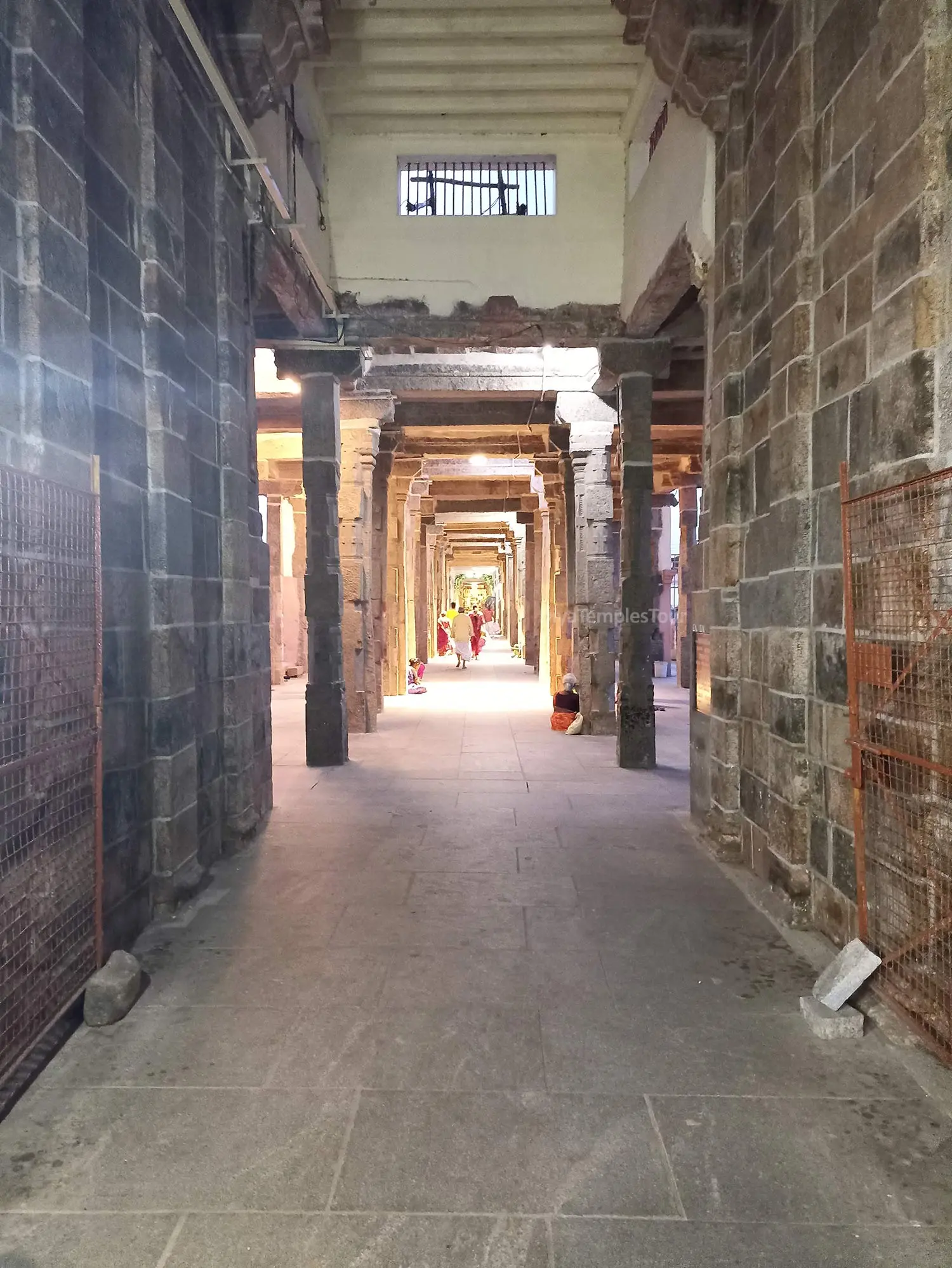
- Distinctive mandapams and sculptural features
- Important connection with Mahamaham,
- Main location for exploring other Kumbakonam temples.
But its location gives it another practical advantage.
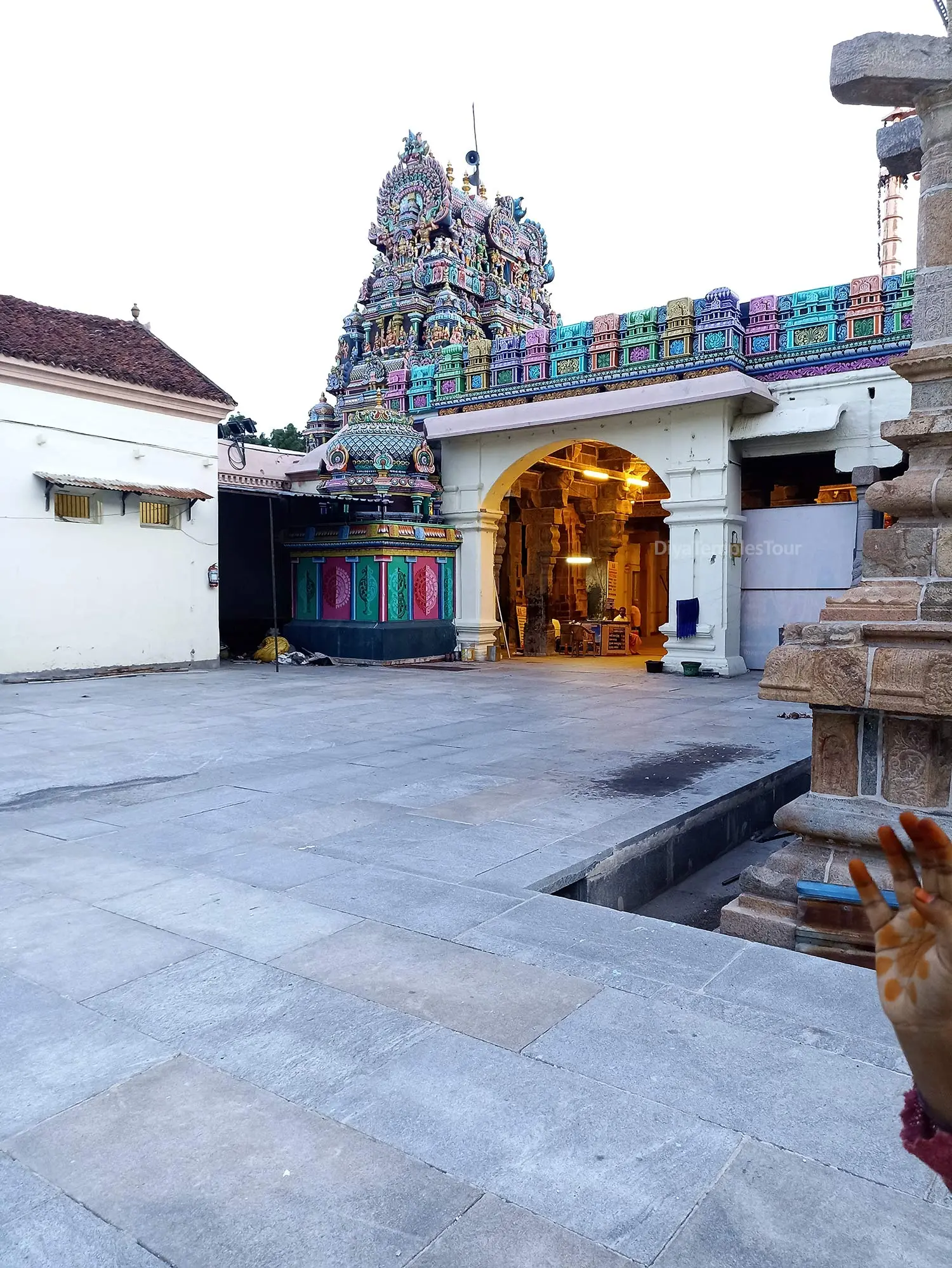
Adi Kumbeswarar Temple works very well as a starting point for understanding Kumbakonam as a temple town.
Rather than treating it as one more stop in a long checklist, spend enough time here to understand the story behind the temple. The mythology, Tamil Shaiva tradition, architecture and Mahamaham connection make much more sense when viewed together.
From there, continue to the other temples of Kumbakonam.
Plan Your Kumbakonam Temple Visit With Us
Visiting Adi Kumbeswarar Temple, Kumbakonam should be more than a casual visit between two other temples.
As per our experience, start early, allow enough time for darshan, understand the Kumbha(pot) legend, look at the temple’s architectural details and then continue to the nearby temples according to their opening hours.
If you have only one day in Kumbakonam, don’t try to cover every temple in the region. A carefully planned route will save unnecessary travel and give you more time at the temples that matter most to you.
DiyaTemplesTour provides customized Kumbakonam temple tours for families, senior citizens and pilgrims who want to visit the temples at a comfortable pace. Your itinerary can be planned around the temples you want to visit, available time, pickup point and the needs of the people travelling.
Planning a Kumbakonam temple trip? Contact DiyaTemplesTour to create a customised temple itinerary instead of spending your pilgrimage working out routes and temple timings.
Frequently Asked Questions About Adi Kumbeswarar Temple
1. What is Adi Kumbeswarar Temple famous for?
Adi Kumbeswarar Temple is famous for Lord Shiva worship, its connection with Kumbakonam’s traditional Kumbha legend, its Paadal Petra Sthalam status, historic Tamil temple architecture and its association with the Mahamaham festival.
2. What are the Adi Kumbeswarar Temple timings?
The currently listed general visiting hours are 6:00 AM to 12:30 PM and 4:00 PM to 9:00 PM. Timings can change during festivals and special occasions, so visitors should verify them before travelling.
3. Is Adi Kumbeswarar Temple a Paadal Petra Sthalam?
Yes. Adi Kumbeswarar Temple is a Paadal Petra Sthalam associated with the Tevaram tradition and the Tamil Shaiva saints Appar and Sambandar.
4. Who is the main deity of Adi Kumbeswarar Temple?
The presiding deity is Lord Adi Kumbeswarar, a form of Lord Shiva. Goddess Parvati is worshipped here as Mangalambigai.
5. What is the Contact number of Adi Kumbeswarar Temple Kumbakonam?
The official landline number is 0435-2420276 and WhatsApp number is +918903455641. Alternatively you can contact the management through email via kumbeswarartemple@gmail.com. Official website is under construction “https://adikumbeswarar.org/”
6. How much time is required to visit Adi Kumbeswarar Temple?
Approximately 45 minutes to one hour for a comfortable visit. Keep additional time during festivals, weekends or if you want to explore the temple’s architecture and subsidiary shrines.
7. Which temples can I visit with Adi Kumbeswarar Temple?
Important temples that can be combined in a Kumbakonam itinerary include Sarangapani Temple, Nageswaran Temple, Ramaswamy Temple and Chakrapani Temple. With more time, you can extend the trip to Swamimalai, Darasuram, Thirunageswaram and other temples around Kumbakonam.
8. What is the connection between Adi Kumbeswarar Temple and Mahamaham?
The temple is closely associated with the traditional sacred history of Kumbakonam and the Kumbha(pot) legend, which is also connected with the Mahamaham tradition. Mahamaham is celebrated in Kumbakonam once every 12 years.