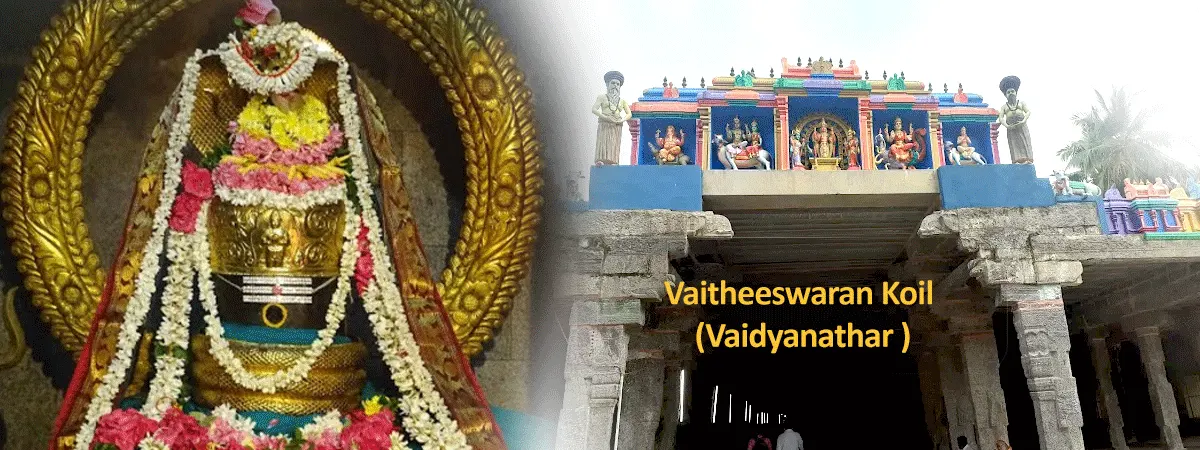
Vaitheeswaran Kovil also known as vaitheeswarankoil is a well known famous temple you should ignore in your south Indian temple trip.
This temple is famous for two very specific reasons:
- It is one among the Navagraha temples Mars (Sevvai / Angaraka)
- It is one of the most famous place to see Nadi astrology
But most travel pages just repeat the same few lines about the temple. They don’t actually tell you the useful things that are required like distances, rituals, real visitor experience, or how Nadi astrology works here.
So this guide focuses on practical details.
A Temple for Healing Illness
Lord Shiva worshipped as the main deity “Vaidyanathar”.
Let’s find out the meaning behind the name (Vaidyanathar)
- Vaidya – doctor
- Eeswaran – Shiva
To put it together Vaidyanathar means “Lord Shiva the healer.”
There’s a strong belief among devotees that prayers offered here can cure pro-longed diseases. Whether someone comes with serious or long-lasting medical struggles or astrological concerns, the temple has magical power to cure them.
But culturally speaking, the temple functions like a spiritual clinic tied with human belief regarding cureness to diseases.
You’ll notice it in the rituals. In the offerings. Even in the sacred water tanks around the temple.
The Story Behind the Temple
Every old temple in Tamil Nadu is basically a treasure chest of history, cool myths, and super detailed cultural stories. Each temple has its own story and it is carved into its walls to explain the history and rituals.
Vaitheeswaran Koil, a respected pilgrimage place, maintains a powerful tradition and history to remember. According to traditional stories and references, Lord Shiva appeared here as a divine healer to cure the wounds of injured warriors during the celestial battle. The gods sought his help, and Shiva manifested as Vaidyanathar to treat them from the injuries.
There’s also another layer to the story involving Angaraka, the planetary deity associated with Mars.
Angaraka is believed to have suffered from severe illness due to karmic effects. After intense prayers to Lord Shiva at this very location, he was cured. From that moment, the temple became associated with Mars-related planetary remedies.
This is the major reason many astrologers recommend visiting this place to get relief from Sevvai Dosham based on the individual horoscope.
One of the Famous Navagraha Temples of Tamil Nadu
Kumbakonam has a well-known planetary circuit called the Navagraha temples, each linked to one of the nine planetary deities.
Vaitheeswaran Koil represents Angaraka (Mars) Chevvai.
For those following astrology-based remedies, visiting these temples is believed to reduce the negative influence of planetary positions.
Here’s a quick overview of the Navagraha association:
| Planet (Graha) | Temple Name | Location | Presiding Deity |
|---|---|---|---|
| Sun (Surya) | Suriyanar Koil | Near Kumbakonam, Tamil Nadu | Lord Suriyanar (Sun God) |
| Moon (Chandra) | Thingalur | Near Thanjavur, Tamil Nadu | Lord Kailasanathar |
| Mars (Angaraka) | Vaitheeswaran Koil | Near Mayiladuthurai, Tamil Nadu | Lord Vaidyanathaswamy (Shiva) |
| Mercury (Budhan) | Thiruvenkadu | Near Sirkazhi, Tamil Nadu | Lord Swetharanyeswarar (Shiva) |
| Jupiter (Guru) | Alangudi | Near Kumbakonam, Tamil Nadu | Lord Apathsahayeswarar (Shiva) |
| Venus (Shukra) | Kanjanur | Near Kumbakonam, Tamil Nadu | Lord Agneeswarar (Shiva) |
| Saturn (Shani) | Thirunallar | Karaikal, Puducherry | Lord Dharbaranyeswarar (Shiva) |
| Rahu | Thirunageswaram | Near Kumbakonam, Tamil Nadu | Lord Naganathaswamy (Shiva) |
| Ketu | Keezhaperumpallam | Near Poompuhar, Tamil Nadu | Lord Naganathaswamy (Shiva) |
Many travelers plan their Navagraha temples trip, usually starting from Kumbakonam and Mayiladuthurai because most of the temples lie within the surrounding locations.
The Sacred Temple Tank: Siddhamirtham
Step inside the temple complex and you’ll notice something interesting before even reaching the sanctum.
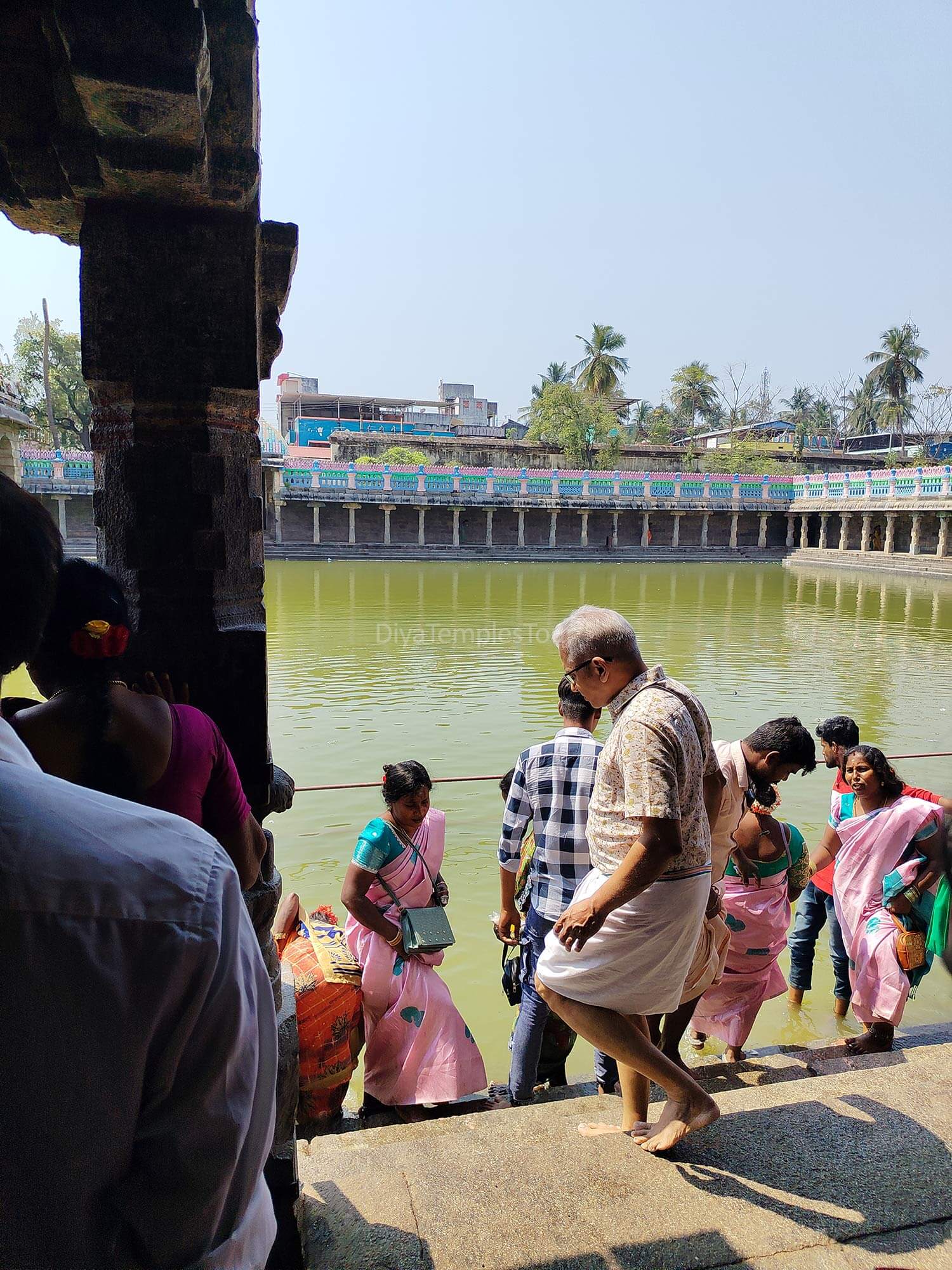
There’s a large temple tank called Siddhamirtham.
The name roughly translates to “nectar of healing.”
Legend says that this tank was created by divine forces and carries curative properties. Devotees often take a ritual bath or sprinkle the water before entering the temple.
Interestingly, you won’t find fish in this tank. Locals believe the water has medicinal qualities that prevent aquatic life from surviving there. Whether that’s mythology or coincidence—well, opinions vary.
Deities and Shrines Inside the Temple
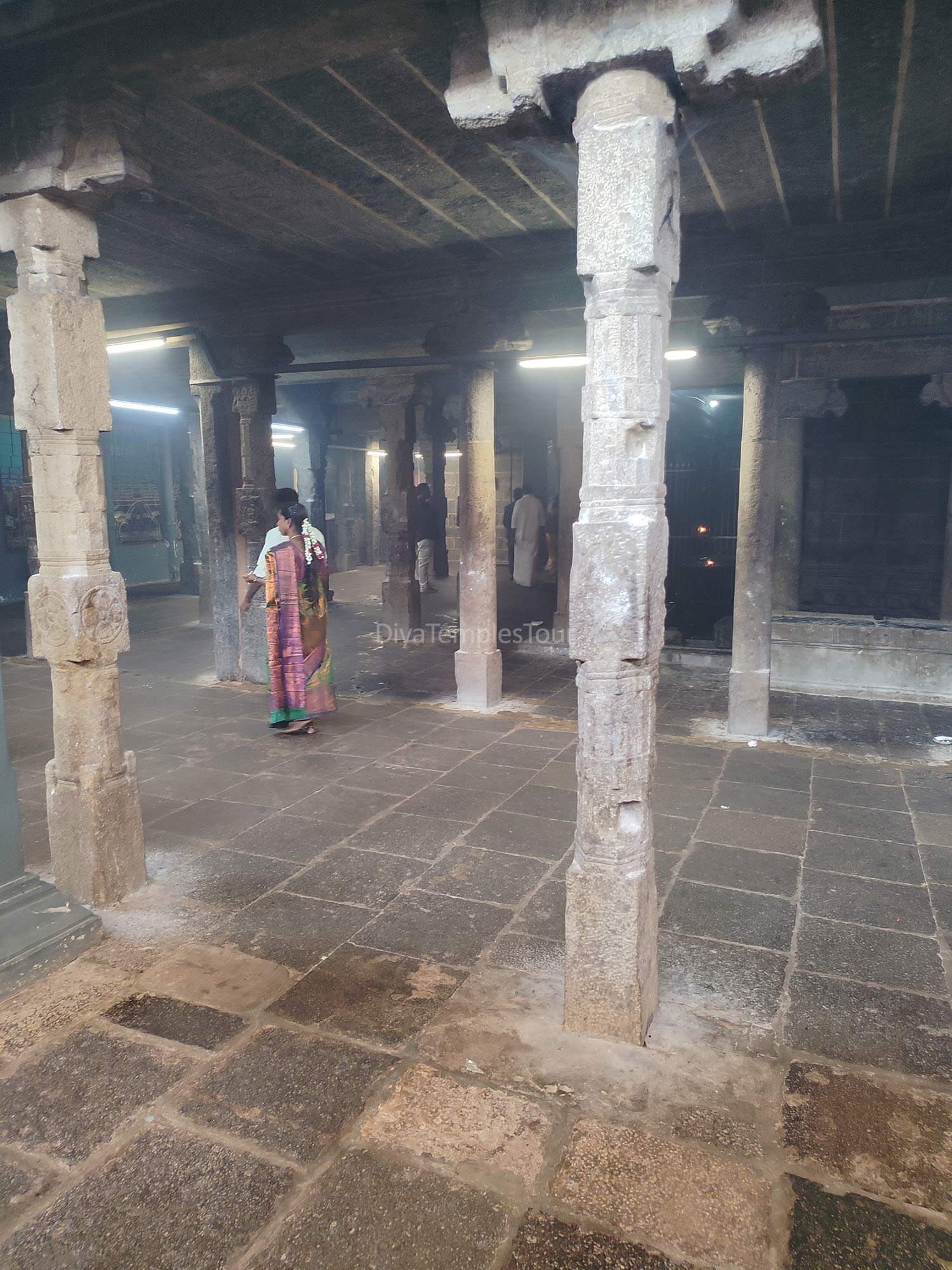
The temple complex is fairly large and houses several important shrines. While entering into the temple the main sanctum on the left side contains Lord Vaidyanathar, while the consort goddess Thaiyal Nayagi is worshipped as the divine mother who prepares healing medicine.
Yes, that’s actually part of the temple’s symbolism. According to tradition, the goddess prepares herbal remedies while Shiva performs the act of healing.
Other shrines inside the temple include:
- Angaraka (Mars planet deity)
- Subramanya (Murugar)
- Ganesha
- Durga
- Dakshinamurthy
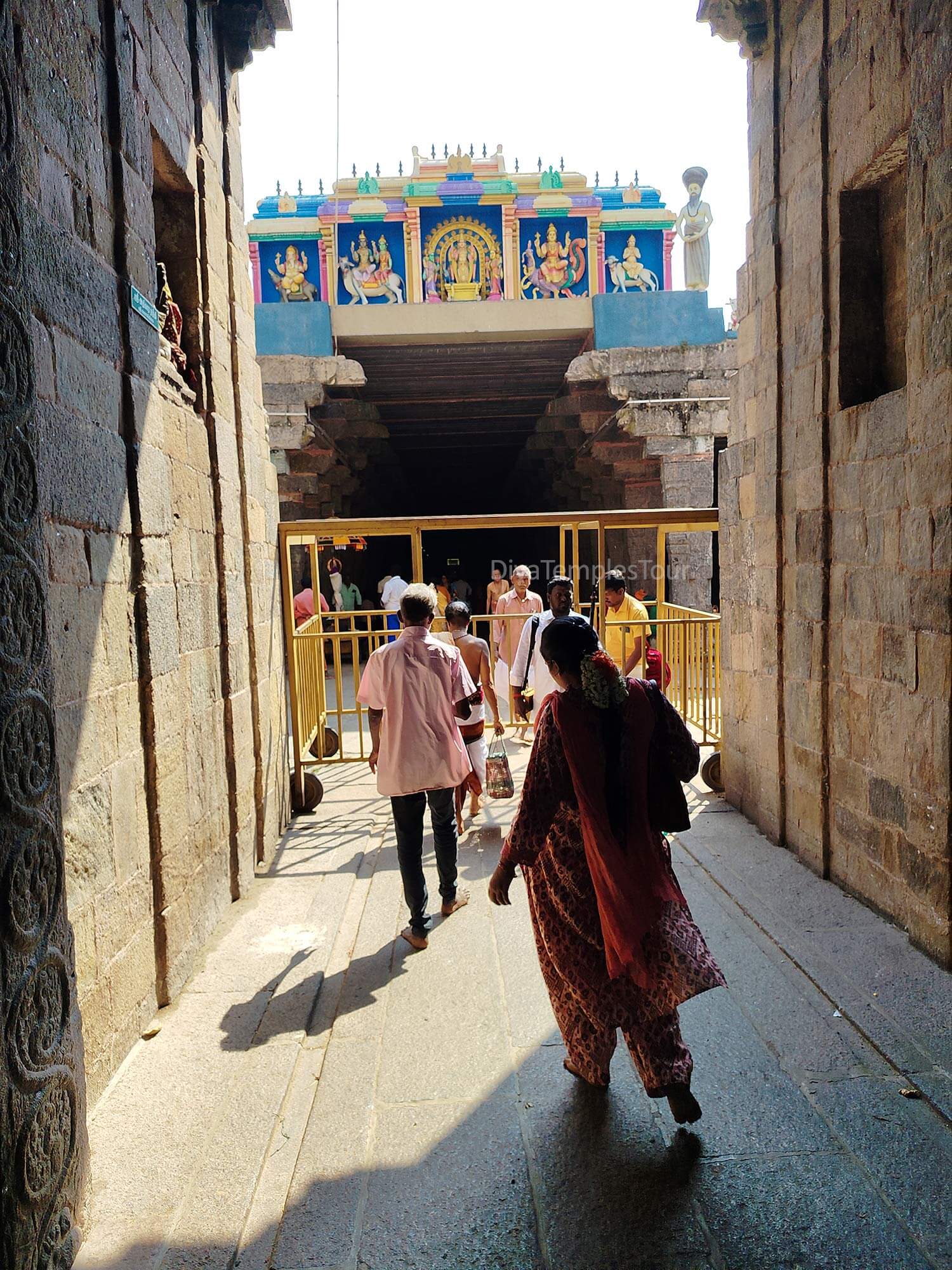
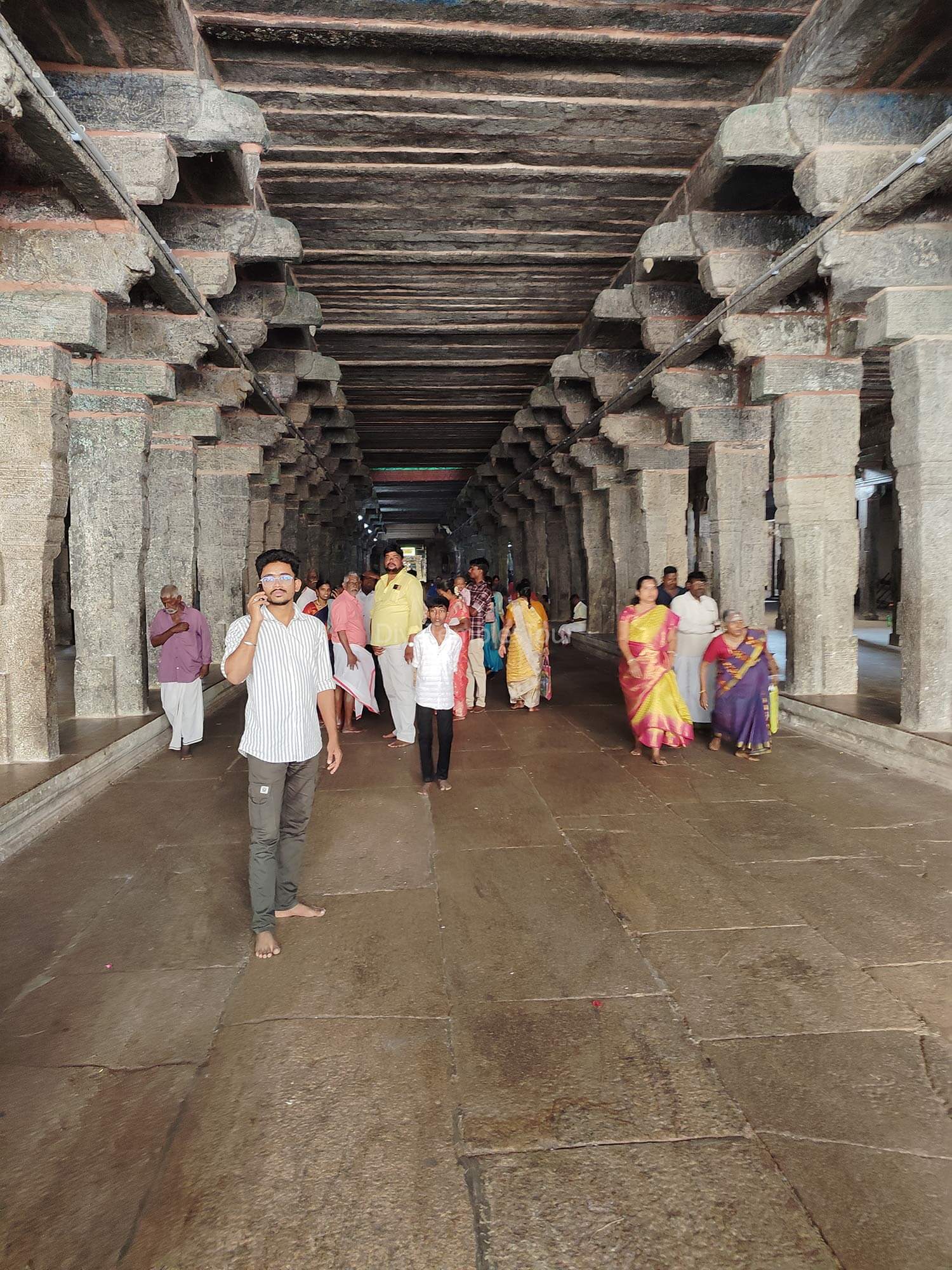
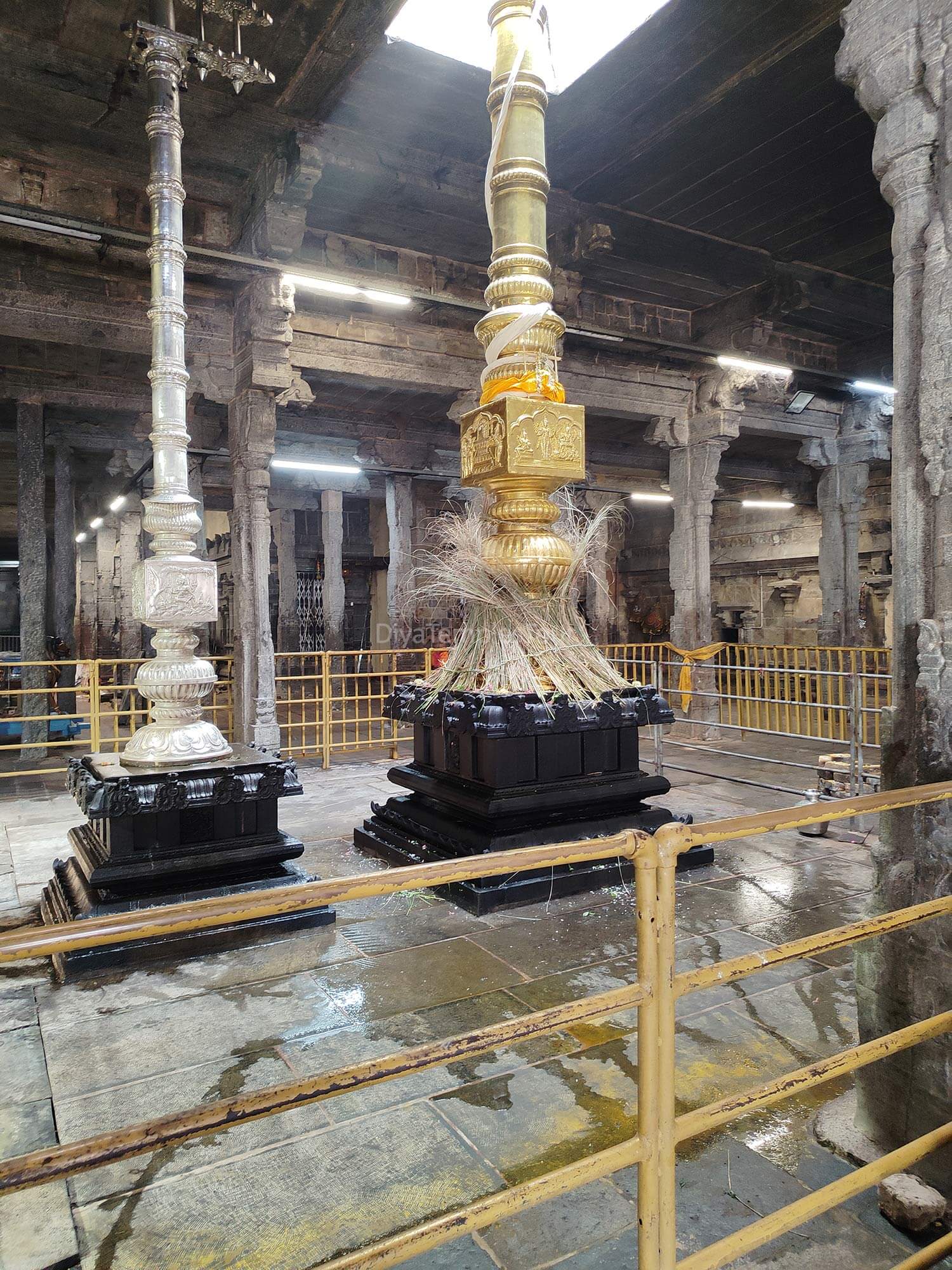
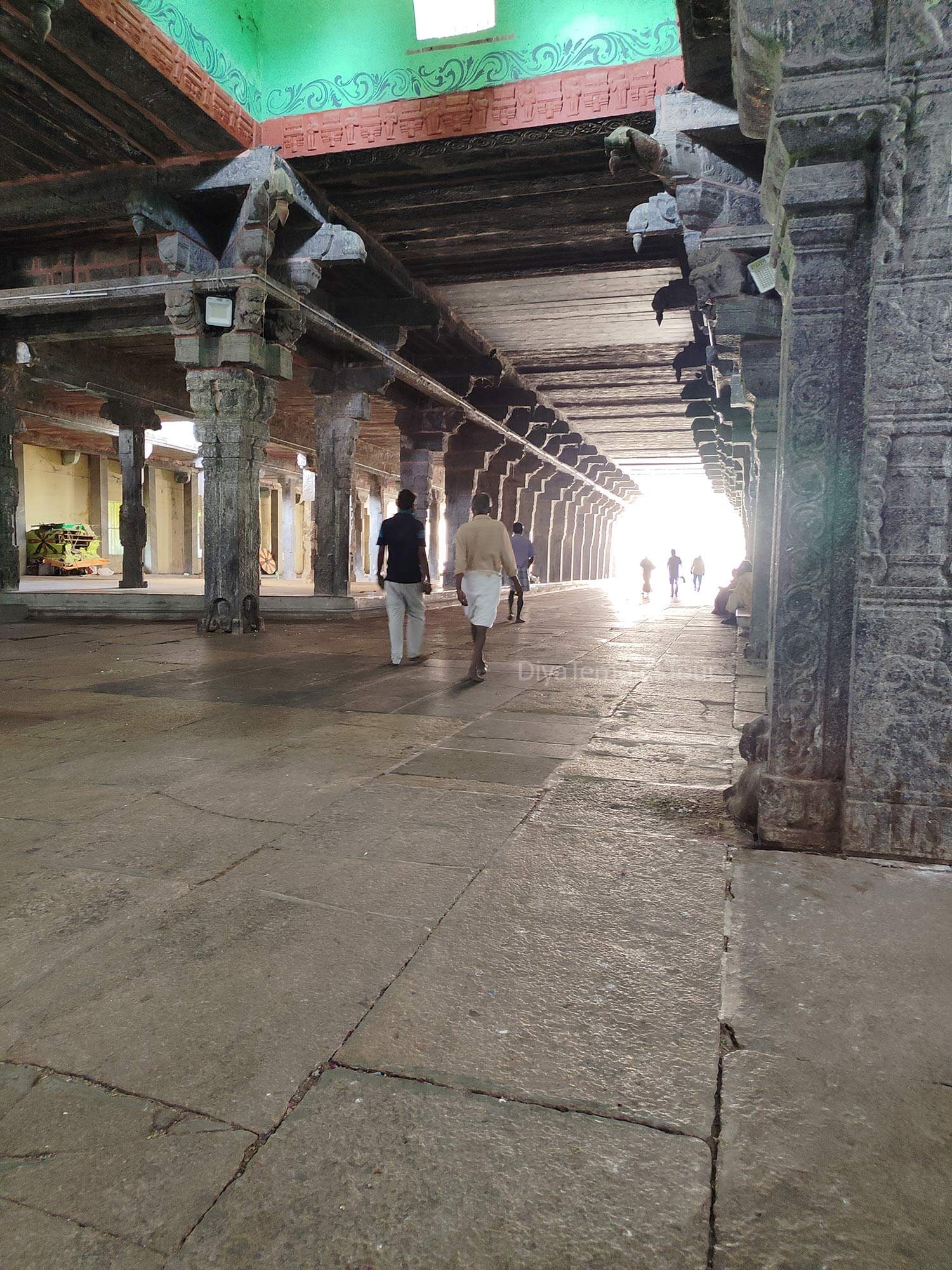
Like many Tamil temples, the architecture follows the classic Dravidian style—towering gopurams, stone corridors, and sculptures that quietly narrate centuries of history.
Walk slowly through the corridors and you’ll feel it. These temples aren’t rushed spaces. You can also find Jatayu Kundam
Nadi Astrology – Based on Agathiyar Sage
Now here’s where things get really interesting.
Vaitheeswaran Koil is also famous for called Nadi astrology (‘நாடி ஜோதிடம்’).
This ancient system claims that the life stories of many individuals were written on palm leaves thousands of years ago by sages. These manuscripts are said to predict details about a person’s past, present, and future.
Sounds unbelievable? Many people think so.
Yet visitors from across India—and even from outside India come here hoping to find their personal Nadi leaf.
The process usually works like this:
- Your thumb impression is taken.
- The reader searches for bundles of palm leaves.
- If your leaf is found, it supposedly describes your life events.
Honestly, Nadi astrology is controversial. There’s no scientific proof supporting it. But the tradition has existed for centuries, and curiosity alone keeps the practice alive. These agents will claim if yours is found we can see the details and increase the curiosity among the visitors. Personally they found and I also saw my present, past, and future details.
Temple Rituals and Unique Offerings
Devotees visiting Vaitheeswaran Koil often perform special rituals related to healing and planetary relief.
Some common offerings include:
- Salt and pepper offerings – believed to remove illness
- Jaggery offerings – symbolizing sweetness and recovery
- Angaraka dosha remedies
- Archana and abhishekam to Lord Vaidyanathar
You’ll often see devotees placing small packets of salt in designated areas within the temple premises. You can find this place opposite to Thayyal Nayagi god. They ask to separate and put the salt, pepper, and jaggery in the buckets they kept. It’s part symbolic, part devotional.
Note: Buy the salt, pepper, and jaggery packets outside the temple. It will be less expensive when compared to inside the temple.
And yes, it’s unique. You don’t see this ritual in most temples.
How to Reach the Temple
Despite its ancient roots, reaching Vaitheeswaran Koil is quite easy.
Nearest Town:
Mayiladuthurai (about 15 km)
Travel Options
- Train: Vaitheeswaran Koil has its own small railway station
- Bus: Frequent buses run from Mayiladuthurai and Kumbakonam
- Car: All navagraha temple tours include this temple in their route
Vaitheeswaran Koil Temple Distance from Major Cities
| Starting Location | Distance to Vaitheeswaran Koil | Approx. Travel Time | Common Route |
|---|---|---|---|
| Bangalore | ~300 km | 6 – 7 hours | Bangalore → Krishnagiri → Vellore → Chidambaram → Vaitheeswaran Koil |
| Chennai | ~265 km | 5 – 6 hours | Chennai → Tindivanam → Cuddalore → Chidambaram → Vaitheeswaran Koil |
| Kumbakonam | ~50 km | 1 – 1.5 hours | Kumbakonam → Mayiladuthurai → Vaitheeswaran Koil |
| Thanjavur | ~90 km | 2 – 2.5 hours | Thanjavur → Kumbakonam → Mayiladuthurai → Vaitheeswaran Koil |
| Trichy (Tiruchirappalli) | ~174 km | 3 – 4 hours | Trichy → Thanjavur → Kumbakonam → Mayiladuthurai |
| Madurai | ~277 km | 5 – 6 hours | Madurai → Trichy → Thanjavur → Kumbakonam |
| Chidambaram | ~30 km | 40 – 50 minutes | Chidambaram → Sirkazhi → Vaitheeswaran Koil |
| Mayiladuthurai | ~15 km | 20 – 25 minutes | Mayiladuthurai → Vaitheeswaran Koil |
| Tirupati | ~327 km | 6 – 7 hours | Tirupati → Chittoor → Vellore → Chidambaram |
| Hyderabad | ~870 km | 13 – 14 hours | Hyderabad → Kurnool → Tirupati → Vellore → Chidambaram |
Distance from Nearby Temple Cities
| Location | Distance to Vaitheeswaran Koil | Approx. Travel Time | Notes |
|---|---|---|---|
| Kumbakonam | ~50 km | 1.5 hours | Popular route for Navagraha temple tour |
| Chidambaram | ~30 km | 40 minutes | Often combined with visit to Chidambaram Nataraja Temple |
| Sirkazhi | ~8 km | 10 minutes | Nearest town to Vaitheeswaran Koil |
Vaitheeswaran Koil Timings
Temple schedules can shift slightly during festivals, but the general timings are:
| Temple Session | Temple Timing |
|---|---|
| Morning | 06:00 AM – 01:00 PM |
| Evening | 04:00 PM – 09:00 PM |
Why you should visit Vaitheeswaran Koil?
Vaitheeswaran temple is unique because of the ancient shiva temple history, mars planetary worship, nadi astrology, and healing traditions. If you are planning a Navagraha temple tour starting from Kumbakonam, this temple will almost certainly be one of the key stops on your list.